
Montessori-Inspired Educational Toys: Hands-On Learning at Home
As parents, we are always looking for ways to engage our children in meaningful and educational activities. One approach that has gained popularity in recent years is the Montessori method of education. This child-centered approach emphasizes hands-on learning and independent exploration, which can be easily implemented at home through the use of Montessori-inspired educational toys. In this blog post, we will explore the benefits of incorporating these toys into your child’s playtime routine and suggest some popular options to consider.
One of the key principles of the Montessori method is that children learn best through hands-on experiences. By providing them with educational toys that encourage exploration and problem-solving, you are helping them develop important skills such as critical thinking, creativity, and concentration. These toys are designed to be open-ended, meaning there is no right or wrong way to play with them, allowing children to use their imagination and creativity to come up with their own solutions.
Montessori-inspired educational toys also promote independence and self-confidence in children. Since these toys are typically designed for solo play, they encourage children to explore and experiment on their own without constant guidance from adults. This sense of autonomy helps build their self-esteem and fosters a love for learning that will benefit them throughout their lives.
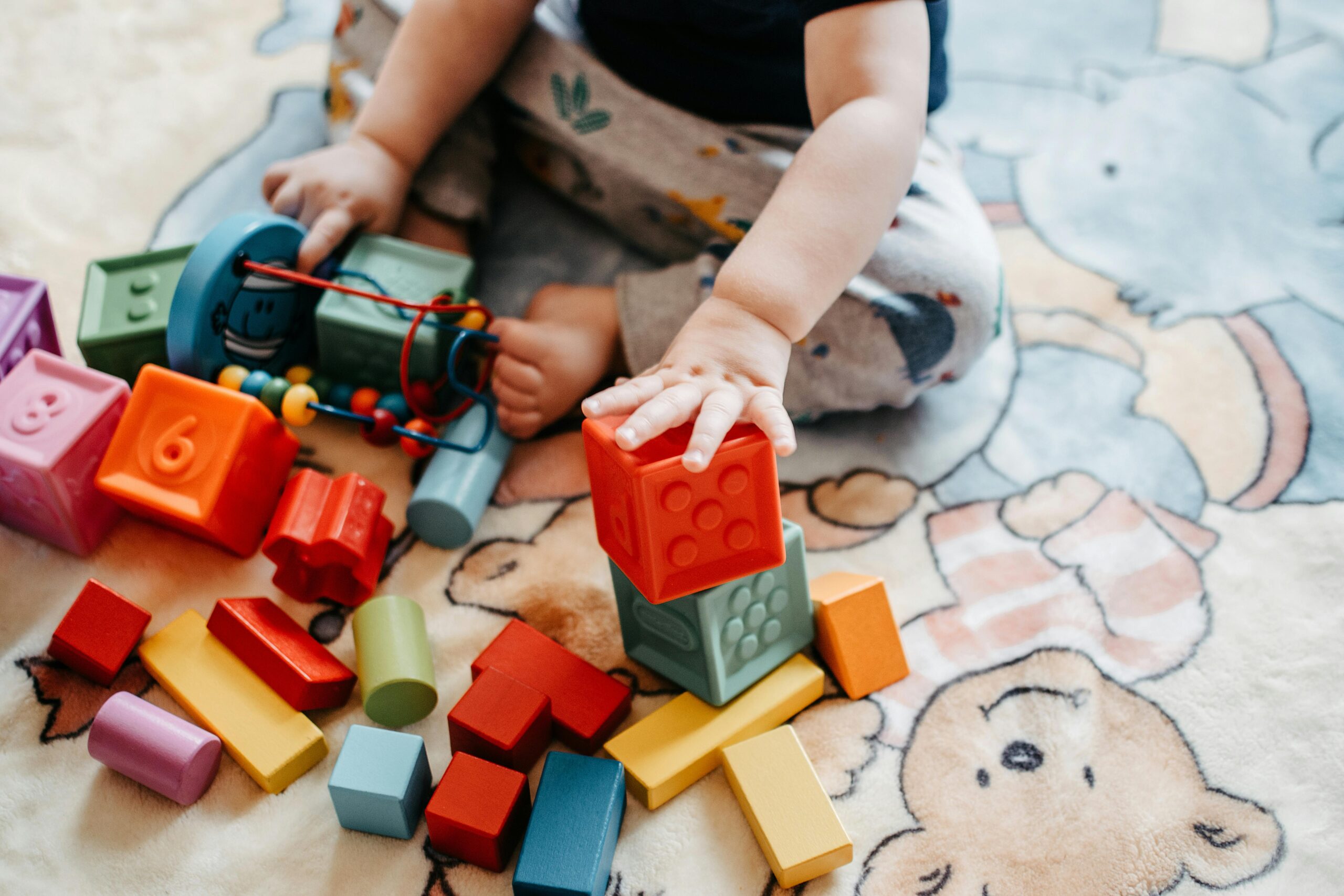
In addition to cognitive development, Montessori-inspired educational toys also support physical development in children. Many of these toys involve fine motor skills such as stacking blocks or threading beads, which help improve hand-eye coordination and dexterity. By engaging in these activities regularly, children can strengthen their muscles and improve their overall coordination.
When choosing Montessori-inspired educational toys for your child, look for options that are made from natural materials such as wood or cloth. These materials are not only more environmentally friendly but also provide a sensory experience that plastic toys cannot replicate. Wooden blocks, puzzles, shape sorters, and sensory bins are all great choices that offer a tactile experience for young learners.
Incorporating Montessori-inspired educational toys into your child’s playtime routine is a wonderful way to support their development while fostering a love for learning. These hands-on experiences promote independence, creativity, and cognitive skills that will benefit them both academically and personally. So why not introduce some of these enriching toys into your home today? Your child will thank you for it!