
In a world where technology is constantly evolving, it’s important to find ways to keep kids engaged and learning in a fun and interactive way. Educational toys are a great way to do just that! Not only do they help children develop essential skills, but they also encourage creativity, critical thinking, and problem-solving abilities. In this blog post, we will explore the top 10 educational toys for kids that will not only boost their learning but also provide hours of entertainment.
LEGO sets: LEGO sets are a classic educational toy that never goes out of style. They help children develop fine motor skills, spatial awareness, and creativity. With endless possibilities for building and creating, LEGO sets are sure to keep kids entertained for hours on end.
Coding robots: Coding robots like Dash and Dot or Ozobot teach kids the basics of programming in a fun and interactive way. By learning how to code these robots to perform various tasks, children develop problem-solving skills and logical thinking abilities.
Magnetic building tiles: Magnetic building tiles are a versatile toy that allows kids to build anything their imagination desires. From simple shapes to complex structures, these tiles help children learn about geometry, symmetry, and spatial reasoning.
Science kits: Science kits come in all shapes and sizes and cover a wide range of topics from chemistry to physics to biology. These kits allow kids to conduct hands-on experiments and learn about scientific concepts in a fun and engaging way.
Musical instruments: Musical instruments like keyboards or drums not only introduce kids to the world of music but also help them develop coordination, rhythm, and auditory skills. Playing an instrument can improve memory, concentration, and cognitive abilities.
Puzzles: Puzzles are a great way to challenge children’s problem-solving abilities while also improving their concentration and patience. Whether it’s a jigsaw puzzle or a brain teaser, puzzles can provide hours of entertainment while boosting cognitive development.
Board games: Board games like Scrabble or Monopoly teach kids important skills such as strategy, critical thinking, math, and language arts. Playing board games with family or friends also promotes social interaction and teamwork.
Art supplies: Art supplies like crayons, markers, paint brushes, and clay allow kids to express their creativity while developing fine motor skills and hand-eye coordination. Encouraging children to create art helps boost self-confidence and fosters imagination.
Building blocks: Building blocks like Mega Bloks or Tegu blocks help children develop spatial awareness, engineering skills, and creativity through building structures both big and small.
Math manipulatives: Math manipulatives like counting bears or fraction bars make abstract mathematical concepts more tangible for young learners. By using these hands-on tools, children can better understand math principles through visual representation.
Educational toys play a crucial role in helping children learn new concepts while having fun at the same time. The top 10 educational toys mentioned in this blog post offer a wide range of benefits from developing fine motor skills to promoting critical thinking abilities. By incorporating these toys into playtime routines, parents can ensure that their children are engaged in meaningful activities that enhance their overall growth and development.
As parents, we all want the best for our children. We want them to grow and develop in a way that sets them up for success in life. One powerful tool that can aid in this development is educational toys. These toys are designed to not only entertain but also stimulate the minds of young children, helping them learn and grow in various ways. In this blog post, we will explore how educational toys can enhance your child’s development and why they are an essential component of early childhood.
Educational toys come in many forms, from puzzles and building blocks to interactive games and science kits. These toys are specifically designed to teach children valuable skills such as problem-solving, critical thinking, creativity, and more. For example, building blocks help enhance spatial awareness and motor skills, while puzzles encourage logical thinking and patience. By engaging with these toys, children are not only having fun but also developing key cognitive abilities that will benefit them throughout their lives.
In addition to cognitive development, educational toys also play a crucial role in enhancing social skills. Many of these toys are designed for group play, encouraging children to cooperate, communicate, and interact with others. By sharing toys and working together towards a common goal, children learn important lessons about teamwork and empathy. These social skills are essential for navigating relationships later in life, making educational toys a valuable tool for teaching emotional intelligence from a young age.
Furthermore, educational toys can also help foster a love for learning in children. By making learning fun and engaging through play, these toys instill a positive attitude towards education early on. Children who view learning as an enjoyable experience are more likely to seek out knowledge independently and excel academically as they grow older. This passion for learning can set the stage for a lifetime of curiosity and personal growth.
Another benefit of educational toys is their ability to cater to individual interests and strengths. Whether your child loves math, science, art, or music, there is an educational toy out there that can spark their curiosity and passion for their favorite subjects. By providing children with opportunities to explore their interests through play, you are helping them discover their talents and develop skills that will serve them well in the future.
Educational toys are not just playthings – they are powerful tools that can shape your child’s development in profound ways. From enhancing cognitive abilities to fostering social skills and nurturing a love for learning, these toys offer countless benefits that go beyond simple entertainment. So next time you’re looking for a gift for your child or grandchild, consider choosing an educational toy that will not only bring joy but also unlock their potential for growth and success.

In today’s digital age, it can be a challenge for parents to find the right balance between screen time and hands-on play for their children. With so many educational apps and programs available, it’s easy to rely on screens for entertainment and learning. However, research shows that too much screen time can have negative effects on children’s development. That’s why it’s important to incorporate educational toys into your child’s playtime routine. In this blog post, we’ll explore the benefits of balancing screen time with educational toys and provide tips for parents on how to achieve this balance.
The Benefits of Educational Toys:
Educational toys offer numerous benefits for children’s development. They can help improve cognitive skills, problem-solving abilities, creativity, and social skills. Unlike passive screen time, playing with educational toys encourages active engagement and physical movement. By interacting with these toys, children are able to use their imagination and creativity in ways that screens cannot replicate. Additionally, educational toys provide hands-on learning experiences that help children retain information better than simply watching a video or playing a game.
Setting Limits on Screen Time:
While screens can be a valuable tool for learning, it’s important for parents to set limits on their child’s screen time. The American Academy of Pediatrics recommends no more than one hour of high-quality programming per day for children ages 2 to 5 years old. For older children, it’s important to monitor the content they are consuming and ensure that it is age-appropriate and educational. By setting clear boundaries around screen time usage, parents can encourage their children to engage in other activities, such as playing with educational toys.
Choosing the Right Educational Toys:
When selecting educational toys for your child, consider their interests and developmental stage. Look for toys that promote STEM (science, technology, engineering, and math) skills or encourage imaginative play. Building blocks, puzzles, art supplies, musical instruments, and science kits are all great options for fostering learning through play. It’s also helpful to rotate your child’s toy selection regularly to keep them engaged and prevent boredom.
Incorporating Educational Toys into Daily Routine:
To strike a balance between screen time and educational toys, try incorporating both into your child’s daily routine in a structured way. Set aside specific times for screen time and playtime with educational toys each day. Encourage your child to choose which toy they want to play with or activity they want to engage in during their designated playtime period.
Monitoring Progress and Adjusting as Needed:
As you navigate the journey of balancing screen time with educational toys, pay attention to how your child responds to different types of activities. Notice if they seem more engaged or interested in certain types of play over others. Be open to adjusting your approach based on their preferences while still maintaining healthy limits on screen time usage.
Finding the right balance between screen time and hands-on play with educational toys is essential for promoting your child’s overall development and well-being. By incorporating both into your child’s daily routine in a thoughtful way, you can create a rich learning environment that stimulates creativity and critical thinking skills while also providing opportunities for relaxation and fun.
So next time you’re tempted to hand over a tablet or smartphone as a quick fix for entertainment or education, consider reaching for an educational toy instead – your child will thank you!

Are you looking for a fun and interactive way to teach your children about geography and science? Look no further than educational toys! These toys are not only entertaining but also provide valuable learning experiences for kids of all ages. In this blog post, we will explore some of the best educational toys that can help children learn about the world around them through geography and science.
One great educational toy for teaching geography is a globe. Globes come in various sizes and styles, from traditional desktop globes to interactive electronic globes. Children can spin the globe, study different countries and continents, and learn about their features such as landmarks, capitals, and geographical features. Some globes even have built-in quizzes and games to make learning fun and engaging.
Another fantastic educational toy for teaching geography is a map puzzle. Map puzzles come in different forms, such as jigsaw puzzles or magnetic puzzles. Children can piece together maps of countries or continents, learning about their shapes, borders, and key locations along the way. Map puzzles are not only educational but also help improve spatial reasoning and problem-solving skills.
When it comes to teaching science through toys, there are endless possibilities. One popular option is a microscope kit. Microscopes allow children to explore the microscopic world around them by examining items such as leaves, insects, or even their own skin cells. Microscope kits often come with slides, cover slips, and other accessories to enhance the learning experience.
In addition to microscopes, there are also chemistry sets that can help teach children about basic scientific principles. Chemistry sets typically include experiments that demonstrate concepts like chemical reactions, acids, bases, or crystal formations. These hands-on activities not only make science more accessible but also spark curiosity and creativity in young minds.
Educational toys offer a unique opportunity for children to explore the world around them through geography and science in a hands-on way. From globes and map puzzles to microscopes and chemistry sets, there are plenty of options available to make learning fun and engaging. By incorporating these toys into playtime at home or in the classroom, parents and educators can inspire curiosity, critical thinking skills, and a love of learning in children of all ages. So why wait? Start exploring the world through educational toys today!

As parents and educators, we are always looking for ways to make learning fun and engaging for children. One of the best ways to do this is by incorporating educational toys into their playtime. By creating a learning environment with educational toys, children can develop important skills while having fun at the same time. In this blog post, we will explore the benefits of using educational toys and provide tips on how to create a stimulating learning environment for children.
Educational toys come in all shapes and sizes, from building blocks to puzzles to STEM kits. These toys are designed to help children learn new concepts in a hands-on way. For example, building blocks can help children develop spatial awareness and problem-solving skills, while puzzles can improve their critical thinking and fine motor skills. By providing children with a variety of educational toys, you can cater to different learning styles and interests.
When setting up a learning environment with educational toys, it’s important to consider the age and developmental stage of the child. Younger children may benefit from sensory toys that stimulate their senses, such as soft blocks or textured balls. Older children may enjoy more complex toys that challenge their cognitive abilities, such as science kits or coding robots. By selecting age-appropriate educational toys, you can ensure that your child is engaged and challenged at the right level.
In addition to choosing the right educational toys, it’s also important to create a space where children can play and learn freely. This could be a designated play area in your home or classroom that is stocked with a variety of educational toys. Make sure the space is well-organized and free from distractions so that children can focus on exploring and experimenting with their toys. Encourage open-ended play by allowing children to use their imagination and creativity while playing with educational toys.
To further enhance the learning experience, consider incorporating other elements into the play environment, such as books, art supplies, or musical instruments. These additional materials can complement the educational toys and provide children with a well-rounded learning experience. Create opportunities for hands-on exploration by rotating out different sets of toys regularly or introducing new themes based on your child’s interests.
Creating a learning environment with educational toys is not only beneficial for children’s development but also fosters a love for learning at an early age. By providing children with access to a variety of educational toys in a stimulating play environment, you can help them build essential skills while having fun at the same time. So next time you’re looking for ways to make learning more engaging for your child, consider incorporating educational toys into their playtime – you’ll be amazed at how much they can learn through play!
As parents, we are always looking for ways to engage our children in meaningful and educational activities. One approach that has gained popularity in recent years is the Montessori method of education. This child-centered approach emphasizes hands-on learning and independent exploration, which can be easily implemented at home through the use of Montessori-inspired educational toys. In this blog post, we will explore the benefits of incorporating these toys into your child’s playtime routine and suggest some popular options to consider.
One of the key principles of the Montessori method is that children learn best through hands-on experiences. By providing them with educational toys that encourage exploration and problem-solving, you are helping them develop important skills such as critical thinking, creativity, and concentration. These toys are designed to be open-ended, meaning there is no right or wrong way to play with them, allowing children to use their imagination and creativity to come up with their own solutions.
Montessori-inspired educational toys also promote independence and self-confidence in children. Since these toys are typically designed for solo play, they encourage children to explore and experiment on their own without constant guidance from adults. This sense of autonomy helps build their self-esteem and fosters a love for learning that will benefit them throughout their lives.
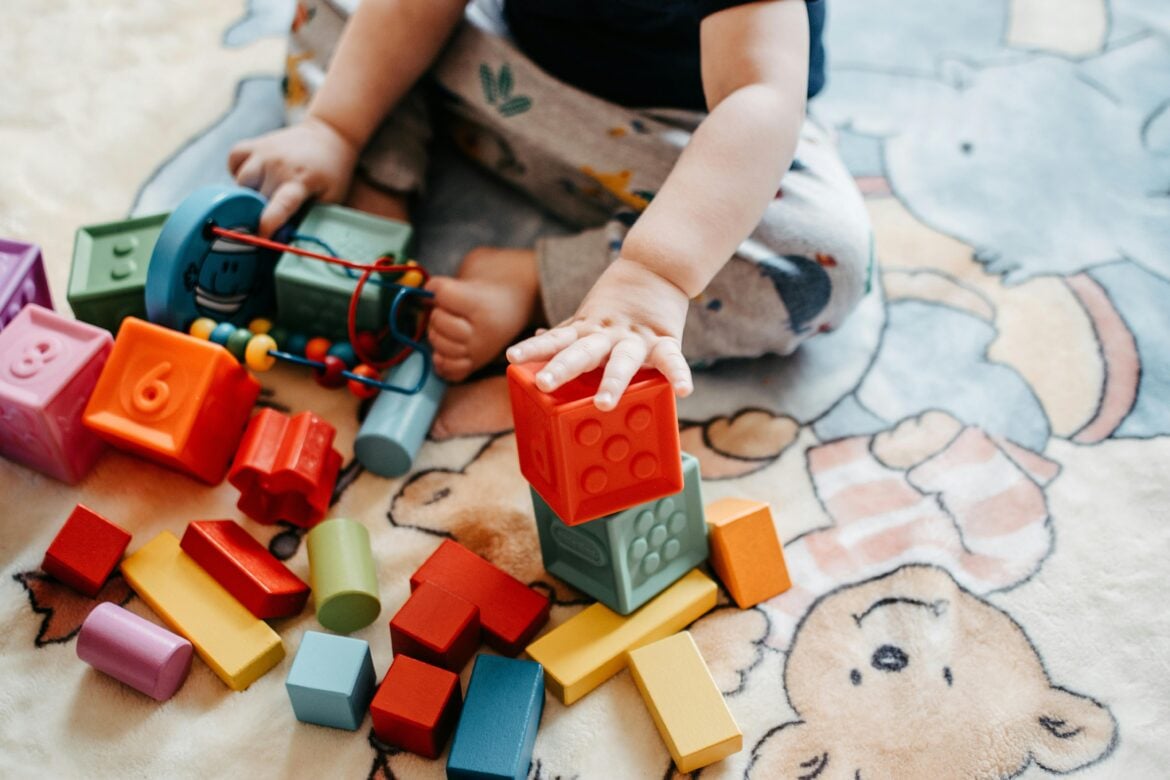
In addition to cognitive development, Montessori-inspired educational toys also support physical development in children. Many of these toys involve fine motor skills such as stacking blocks or threading beads, which help improve hand-eye coordination and dexterity. By engaging in these activities regularly, children can strengthen their muscles and improve their overall coordination.
When choosing Montessori-inspired educational toys for your child, look for options that are made from natural materials such as wood or cloth. These materials are not only more environmentally friendly but also provide a sensory experience that plastic toys cannot replicate. Wooden blocks, puzzles, shape sorters, and sensory bins are all great choices that offer a tactile experience for young learners.
Incorporating Montessori-inspired educational toys into your child’s playtime routine is a wonderful way to support their development while fostering a love for learning. These hands-on experiences promote independence, creativity, and cognitive skills that will benefit them both academically and personally. So why not introduce some of these enriching toys into your home today? Your child will thank you for it!
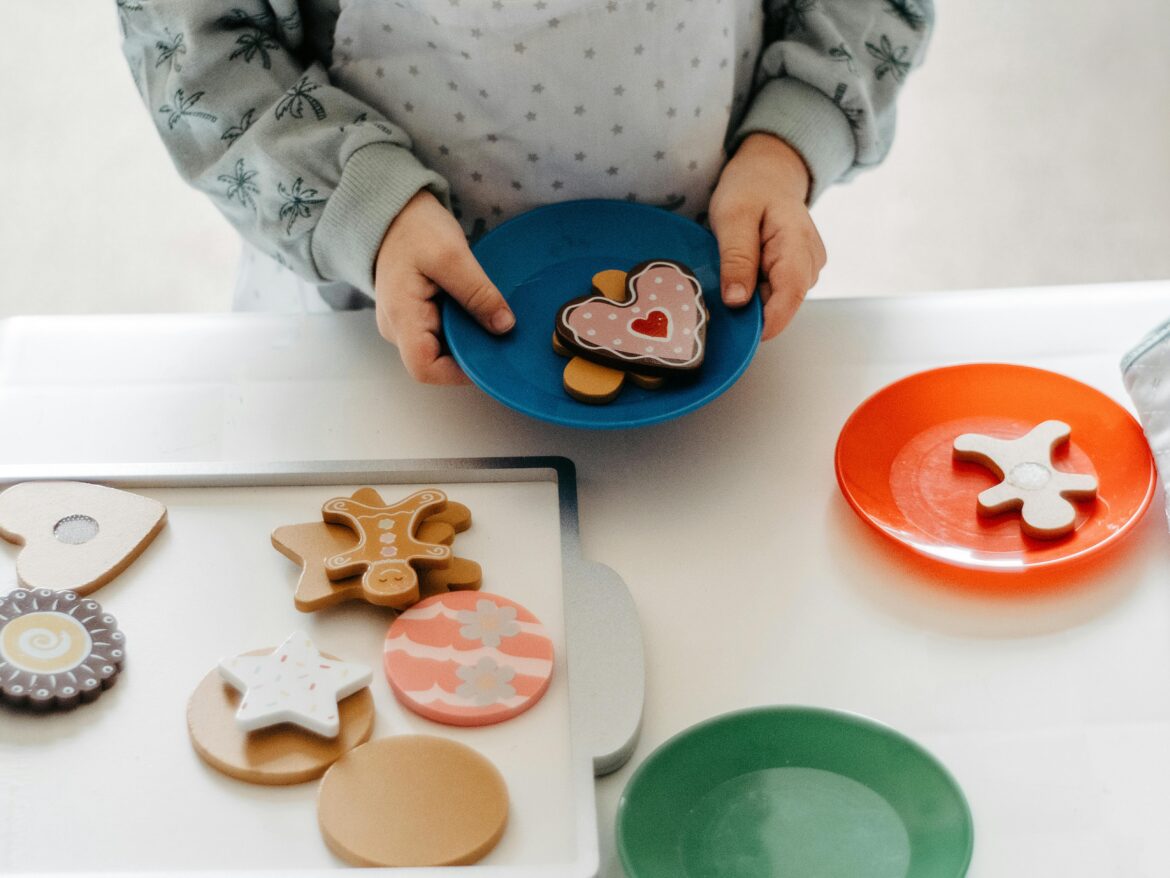
As parents, we all want the best for our children. We want them to have fun and enjoy their childhood, but we also want them to learn and grow intellectually. Finding toys that strike the perfect balance between fun and education can be a challenge, but fear not! In this blog post, we will explore some of the best toys on the market that offer both entertainment and educational value for kids of all ages.
Building Blocks: Building blocks are a classic toy that never goes out of style. Not only do they provide hours of creative fun, but they also help children develop important skills such as problem-solving, spatial awareness, and fine motor skills. Whether your child is building a towering skyscraper or a simple house, they are sure to be engaged and learning through play.
STEM Kits: STEM (Science, Technology, Engineering, and Mathematics) kits are a fantastic way to introduce kids to these important subjects in a hands-on way. From building robots to conducting simple science experiments, these kits make learning fun and exciting. By engaging with STEM toys, children can develop critical thinking skills and a love for learning that will serve them well in school and beyond.
Puzzles: Puzzles are another great toy that combines fun with education. They come in all shapes and sizes, from simple wooden puzzles for toddlers to complex jigsaw puzzles for older kids. Working on puzzles helps children improve their problem-solving abilities, concentration, and patience. It’s a great way to challenge their minds while having a good time.
Musical Instruments: Encouraging your child to learn how to play a musical instrument is not only enjoyable but also beneficial for their cognitive development. Playing an instrument helps improve memory, coordination, and listening skills. It’s a creative outlet that can boost self-esteem and confidence in children as they see themselves progress in their musical abilities.
Board Games: Board games are a fantastic way for families to bond while also providing valuable learning opportunities for kids. Games like Scrabble help improve vocabulary and spelling skills, while strategy games like Chess enhance critical thinking abilities. Plus, playing board games teaches important social skills such as taking turns, following rules, and good sportsmanship.
When it comes to choosing toys for your kids, it’s important to consider both their entertainment value and educational benefits. The toys mentioned above are just a few examples of products that successfully combine fun with learning. By providing your child with toys that stimulate their minds while keeping them entertained, you are setting them up for success in school and in life. So next time you’re shopping for toys, remember the importance of finding ones that offer the perfect mix of fun and education!

In today’s digital age, children are often surrounded by screens and technology from a young age. While technology has its benefits, it’s important to also provide children with opportunities for unplugged play. Tech-free educational toys are a great way to encourage imagination, creativity, and hands-on learning in children. In this blog post, we will explore the benefits of tech-free educational toys and provide some recommendations for toys that can help foster these important skills.
Promoting Imagination: Tech-free educational toys allow children to use their imagination and creativity in ways that technology cannot replicate. Building blocks, puzzles, art supplies, and pretend play toys all offer endless possibilities for imaginative play. By engaging in open-ended play with these types of toys, children can develop their problem-solving skills, critical thinking abilities, and storytelling capabilities.
Hands-On Learning: Many tech-free educational toys are designed to promote hands-on learning experiences. Science kits, building sets, musical instruments, and interactive books all provide opportunities for children to explore new concepts through tactile exploration. These types of toys can help children develop fine motor skills, spatial reasoning abilities, and a deeper understanding of various subjects in a fun and engaging way.
Social Interaction: Tech-free educational toys also encourage social interaction among children. Board games, cooperative puzzles, outdoor play equipment, and role-playing games all promote teamwork, communication skills, and conflict-resolution abilities. Playing with others helps children learn how to navigate social situations and build relationships with their peers.
Screen Time Balance: With the prevalence of screens in today’s society, it’s important for parents to help their children establish a healthy balance between screen time and other activities. By providing tech-free educational toys as an alternative to screen-based entertainment, parents can support their child’s overall development while also minimizing the negative effects of excessive screen time on things like attention span and sleep quality.
Recommendations: Some great tech-free educational toy options include Magna-Tiles magnetic building tiles for creative construction projects; Melissa & Doug wooden puzzles for problem-solving challenges; Play-Doh modeling compound for artistic expression; LEGO sets for imaginative building adventures; and board games like Monopoly or Scrabble for family game nights filled with fun learning opportunities.
Tech-free educational toys offer a wide range of benefits for children that go beyond simple entertainment value. By promoting imagination, hands-on learning experiences, social interaction skills, screen time balance, these types of toys can help support children’s overall development in meaningful ways. When choosing toys for your child or as gifts for others’ kids consider opting for tech-free options that prioritize creativity and education over passive screen time consumption.
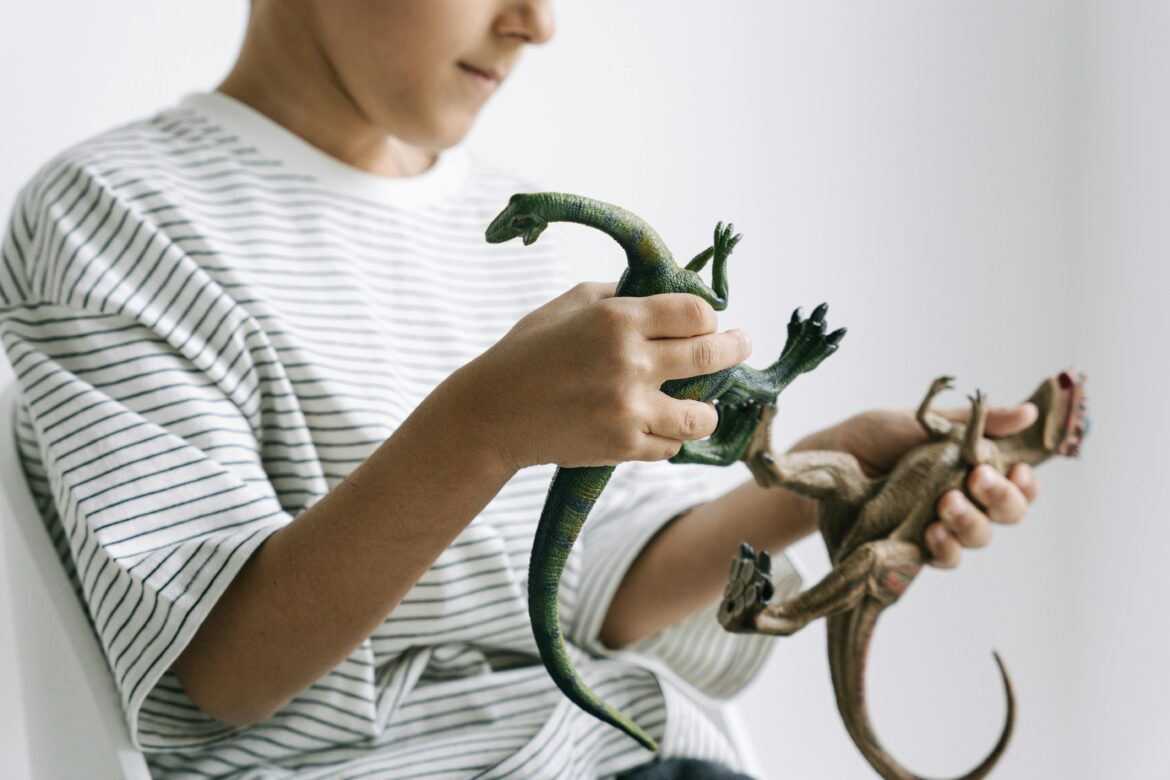
Choosing the right toys for special needs children can be a daunting task. Not only do you want to ensure that the toys are engaging and fun, but you also want them to be educational and beneficial for your child’s development. In this blog post, we will discuss what to look for when selecting educational toys for special needs children, as well as provide some recommendations on specific toys that are great for children with various special needs.
Consider the child’s interests and abilities: When choosing educational toys for special needs children, it is important to consider their individual interests and abilities. Some children may have sensory sensitivities or physical limitations that need to be taken into account when selecting toys. It is also important to choose toys that align with the child’s developmental stage and cognitive abilities.
Look for toys that promote sensory stimulation: Many special needs children benefit from toys that provide sensory stimulation. Toys with different textures, colors, sounds, and movements can help engage a child’s senses and promote their overall development. Sensory balls, textured puzzles, and musical instruments are all great options for promoting sensory stimulation in special needs children.
Choose toys that encourage communication and social interaction: Social skills can be challenging for many special needs children, so it is important to choose toys that encourage communication and social interaction. Toys such as board games, puppets, or pretend play sets can help children practice their communication skills and learn how to interact with others in a fun and engaging way.
Seek out adaptive or customizable toys: Adaptive or customizable toys are designed specifically for special needs children and can help accommodate their unique needs and abilities. These types of toys often have adjustable features or alternative ways of playing that make them more accessible to children with disabilities. Look for toys that can be easily adapted to suit your child’s specific needs.
Consider the educational value of the toy: While it is important for educational toys to be fun and engaging, they should also have a clear educational purpose. Look for toys that target specific skills such as fine motor skills, problem-solving abilities, language development, or social skills. Toys that are both entertaining and educational can help special needs children learn new concepts in a way that is enjoyable and rewarding.
When selecting educational toys for special needs children, it is essential to consider the child’s individual interests, abilities, and developmental stage. Look for toys that promote sensory stimulation, encourage communication and social interaction, are adaptive or customizable, and have clear educational value. By choosing the right toys for your child’s unique needs, you can help support their overall development while providing them with hours of fun and enjoyment.

As parents, we all want the best for our children when it comes to their education and development. One way to support their learning is by providing them with educational toys that cater to their individual learning styles. Every child is unique, and understanding how they learn best can help you choose toys that will not only entertain them but also help them grow and develop new skills. In this blog post, we will explore different learning styles and provide tips on how to choose the right educational toys for your child.
Identify your child’s learning style: Before you start shopping for educational toys, take some time to observe how your child learns best. Some children are visual learners and prefer things like puzzles or building blocks, while others may be more auditory learners who enjoy music or storytelling. Kinesthetic learners might benefit from toys that involve movement, such as building sets or sports equipment. By understanding your child’s learning style, you can choose toys that align with their preferences and strengths.
Consider their interests: Another important factor to consider when choosing educational toys is your child’s interests. Think about what activities they enjoy doing in their free time or what subjects they excel in at school. If your child loves animals, a set of animal figurines or a puzzle featuring different species could be a great choice. For a budding scientist, consider kits that allow them to conduct experiments at home. By selecting toys that align with your child’s interests, you can keep them engaged and excited about learning.
Look for open-ended toys: Open-ended toys are those that can be played within a variety of ways and encourage creativity and problem-solving skills. Building blocks, art supplies, and pretend play sets are all examples of open-ended toys that allow children to use their imagination and explore different possibilities. These types of toys are beneficial for all learning styles as they promote critical thinking and experimentation.
Choose age-appropriate options: When selecting educational toys for your child, make sure to choose options that are suitable for their age and developmental stage. Younger children may benefit from simple shape sorters or stacking toys that help develop motor skills, while older kids might enjoy more complex puzzles or science kits that challenge their cognitive abilities. Pay attention to the recommended age range on toy packaging to ensure you are selecting items that will be engaging and appropriate for your child.
Rotate toys regularly: To keep things fresh and prevent boredom, consider rotating your child’s educational toys on a regular basis. This not only keeps them excited about playing but also allows them to explore different types of activities and skills. As your child grows and develops new interests, you can introduce new toys that cater to those changes in preferences.
Choosing the right educational toys for your child’s learning style is an important aspect of supporting their growth and development. By identifying their preferred learning style, considering their interests, selecting open-ended options, choosing age-appropriate toys, and rotating items regularly, you can create a stimulating environment that fosters curiosity, creativity, and a love of learning in your child. Remember that every child is unique, so take the time to observe how they engage with different types of activities before making informed decisions about which educational toys will best suit their needs.
- 1
- 2