

Creating an Engaging Learning Environment with Educational Toys
As parents and educators, we are always looking for ways to make learning fun and engaging for children. One of the best ways to do this is by incorporating educational toys into their playtime. By creating a learning environment with educational toys, children can develop important skills while having fun at the same time. In this blog post, we will explore the benefits of using educational toys and provide tips on how to create a stimulating learning environment for children.
Educational toys come in all shapes and sizes, from building blocks to puzzles to STEM kits. These toys are designed to help children learn new concepts in a hands-on way. For example, building blocks can help children develop spatial awareness and problem-solving skills, while puzzles can improve their critical thinking and fine motor skills. By providing children with a variety of educational toys, you can cater to different learning styles and interests.
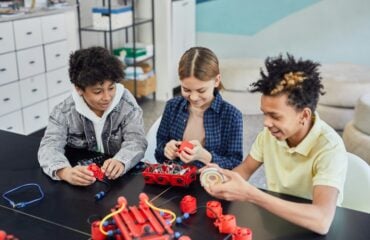
When setting up a learning environment with educational toys, it’s important to consider the age and developmental stage of the child. Younger children may benefit from sensory toys that stimulate their senses, such as soft blocks or textured balls. Older children may enjoy more complex toys that challenge their cognitive abilities, such as science kits or coding robots. By selecting age-appropriate educational toys, you can ensure that your child is engaged and challenged at the right level.
In addition to choosing the right educational toys, it’s also important to create a space where children can play and learn freely. This could be a designated play area in your home or classroom that is stocked with a variety of educational toys. Make sure the space is well-organized and free from distractions so that children can focus on exploring and experimenting with their toys. Encourage open-ended play by allowing children to use their imagination and creativity while playing with educational toys.
To further enhance the learning experience, consider incorporating other elements into the play environment, such as books, art supplies, or musical instruments. These additional materials can complement the educational toys and provide children with a well-rounded learning experience. Create opportunities for hands-on exploration by rotating out different sets of toys regularly or introducing new themes based on your child’s interests.
Creating a learning environment with educational toys is not only beneficial for children’s development but also fosters a love for learning at an early age. By providing children with access to a variety of educational toys in a stimulating play environment, you can help them build essential skills while having fun at the same time. So next time you’re looking for ways to make learning more engaging for your child, consider incorporating educational toys into their playtime – you’ll be amazed at how much they can learn through play!